

Have you ever stopped to think about the value of an idea? In a world where innovation is a key word, protecting creations of the human mind has become fundamental — both for individuals and companies. And that is exactly what intellectual property (IP) does: it recognizes the value of ideas and guarantees rights to those who transform them into something concrete.
In this article, you will understand what intellectual property is, the main types of protection available in Brazil, and why investing in it is a strategic decision for your business or project.
What is intellectual property?
Intellectual property is the set of norms and legal rights that protect immaterial creations — that is, those that originate from the human mind. This includes inventions, artistic works, trademarks, designs, software, traditional knowledge, and much more.
This system exists to ensure that creators and inventors have the right to exclusively exploit their creations for a determined period, encouraging technological and cultural development. At the same time, it promotes a balance between private interests and social benefit, as the controlled disclosure of these creations also contributes to the advancement of society as a whole.
To highlight the impact of Intellectual Property on the scientific, cultural, and economic development of nations, WIPO (World Intellectual Property Organization) established April 26 as World Intellectual Property Day.
What are the main types of intellectual property?
No Brasil, a proteção da propriedade intelectual é regulamentada por leis específicas e por acordos internacionais dos quais o país é signatário. Veja os principais tipos:
Quais são os principais tipos de propriedade intelectual?
In Brazil, the protection of intellectual property is regulated by specific laws and international agreements to which the country is a signatory. Here are the main types:
Patents
Patents protect inventions and utility models that meet the criteria of novelty, inventive activity, and industrial application.
- Invention Patent (IP): valid for 20 years.
- Utility Model (UM): valid for 15 years.
- Responsible body: INPI.
Examples:
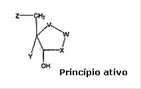
Invention patent

Utility Model Patent
Trademarks
These are distinctive signs that identify products or services. Trademark registration guarantees exclusivity in use and prevents imitations that may confuse consumers.
- Validity: 10 years, renewable.
- Responsible body: INPI.
Examples:



Industrial Designs
Protect the design of a product — its aesthetic, visual, or ornamental form.
- Validity: 10 years, renewable.
- Responsible body: INPI.
Example:

Copyrights
Incluem obras literárias, musicais, artísticas e científicas. No Brasil, a proteção é automática a partir da criação e dura toda a vida do autor + 70 anos após sua morte.
Include literary, musical, artistic, and scientific works. In Brazil, protection is automatic from creation and lasts for the author’s lifetime + 70 years after their death.
- Advisory body: Biblioteca Nacional / ECAD / Specialized offices.
Example:

Geographical Indications
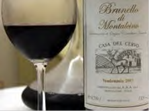
Ensure that a product is related to a specific origin, with unique qualities resulting from the place of production.
- Indication of Origin
- Denomination of Origin
Example:
Trade Secrets
Confidential information that provides a competitive advantage to a company, such as formulas or production methods. Protection requires internal security and compliance measures
Example:

Software
Computer programs and code are protected by copyright, valid for 50 years from publication.
- Regulated by Brazilian Software Law (Law nº 9.609/1998).
Example:

Sui Generis Protection
Some intellectual assets have specific systems:
- Cultivars: new plant varieties (Law No. 9.456/1997)
- Integrated Circuits: chip layouts (Law No. 11.484/2007)
- Traditional Knowledge and Cultural Expressions: knowledge and practices of traditional communities
Example:

Why protect intellectual property?
Protecting IP is a way to ensure return on investment, recognition, and competitiveness. Without protection, ideas can be copied, used by third parties, and commercially exploited without any credit to the creator.
In the corporate environment, intellectual property is a strategic asset that:
- Values the company in the market
- Attracts investors and partners
- Reduces legal risks
- Drives continuous innovation
Brazilian Law and International Treaties
IP protection in Brazil is supported by national laws and global treaties. The main legal milestones include:
- Industrial Property Law (Law No. 9.279/1996
- Copyright Law (Law No. 9.610/1998)
- Software Law (Law No. 9.609/1998)
- Cultivar Protection Law (Law No. 9.456/1997)
- Treaties such as Paris Convention e o TRIPS Agreement (WTO)
How to ensure the protection of your creation?
O primeiro passo é identificar qual tipo de proteção se aplica à sua criação. Em seguida, deve-se seguir os trâmites de registro, depósito ou formalização junto aos órgãos competentes. Cada categoria tem requisitos específicos, e erros no processo podem levar à perda de direitos.
Por isso, contar com apoio jurídico especializado é essencial para garantir que todo o processo ocorra de forma segura, estratégica e eficaz.
We understand intellectual protection
Ricci Intellectual Property offers complete and personalized guidance to protect the intangible assets of your business. Our team works with experience and proximity, translating legislation into practical solutions for your daily business.
Protect what is yours. Innovate with security.
Contact us and find out how we can help.